Common Mistakes to Avoid When Hiring Fire Equipment Services
Fire safety is not something any business or property owner can afford to overlook. Whether it’s a commercial building, industrial site, or residential complex, having the right fire equipment services in place is essential for protecting lives, property, and compliance with safety regulations. However, many people make costly mistakes when choosing a fire equipment service provider—mistakes that can compromise safety and lead to legal or financial trouble. Understanding these common errors can help you make a smarter, more reliable decision.
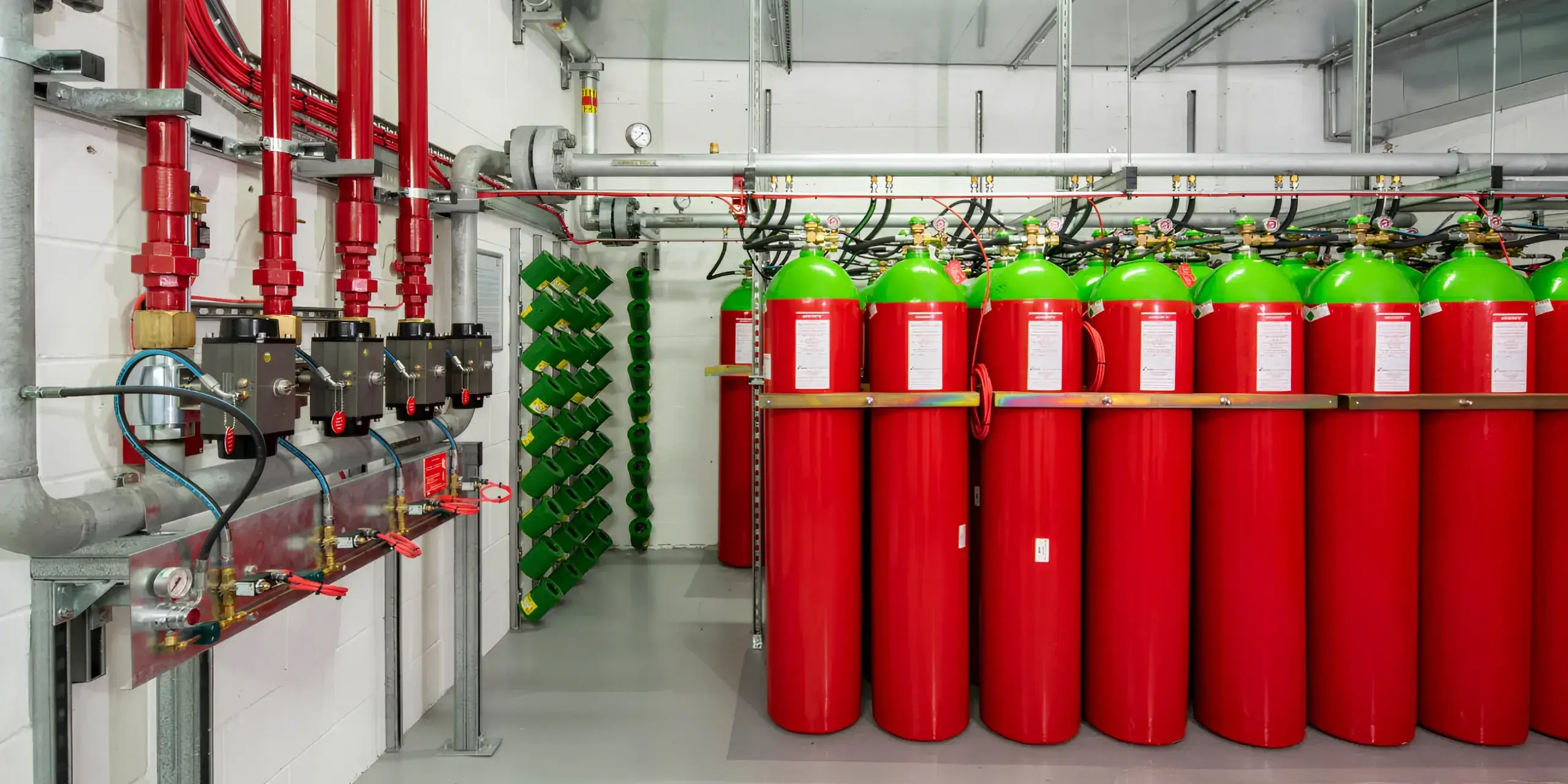
Choosing Based on Price Alone
One of the most common mistakes is selecting a fire equipment service provider purely because they offer the lowest price. While budget considerations are important, extremely low costs can be a red flag. Cheap services may involve substandard equipment, inexperienced technicians, or skipped safety checks. Fire protection systems require precision, quality components, and professional expertise. Cutting corners to save money can result in faulty systems that fail when you need them most.
Ignoring Certifications and Compliance
Fire safety is governed by strict regulations and standards. Hiring a service provider without verifying their certifications, licenses, or compliance with local fire codes is a serious mistake. A qualified provider should be well-versed in current regulations and able to demonstrate compliance through proper documentation. Failure to meet legal standards can lead to penalties, failed inspections, or insurance complications, putting your property and occupants at risk.
Overlooking Experience and Specialization
Not all fire equipment services are the same. Some specialize in commercial buildings, others in industrial facilities or residential properties. Hiring a provider without relevant experience for your specific type of property can lead to improper system design or installation. Experienced providers understand the unique fire risks of different environments and can recommend appropriate equipment and solutions. Always look for a proven track record and industry experience.
Failing to Ask About Maintenance and Support
Fire protection doesn’t end with installation. Regular inspections, testing, and maintenance are critical to ensure systems remain fully functional. A common mistake is hiring a provider who focuses only on installation but offers limited or no ongoing support. Without routine maintenance, fire alarms, extinguishers, and suppression systems may malfunction over time. Reliable fire equipment services should include long-term maintenance plans and emergency support.
Not Checking Reviews and References
In today’s digital age, ignoring customer reviews and references is a missed opportunity. Online reviews, testimonials, and client references can provide valuable insight into a company’s reliability, professionalism, and service quality. Consistently negative feedback or unresolved complaints should be taken seriously. Speaking directly with past clients can also help you understand how the provider performs in real-world situations.
Lack of Clear Communication
Poor communication is another major issue when hiring fire equipment services. Some providers fail to clearly explain system requirements, inspection schedules, or compliance responsibilities. This can leave property owners confused and unprepared during fire safety audits or emergencies. A professional service provider should communicate clearly, answer questions patiently, and provide detailed reports and documentation for all work completed.
Skipping a Site Assessment
Every building has unique fire safety needs. Hiring a service provider who doesn’t conduct a thorough site assessment before recommending equipment is a significant mistake. Without evaluating building layout, occupancy type, fire hazards, and existing systems, it’s impossible to design an effective fire protection solution. A proper assessment ensures the equipment installed is suitable and compliant with safety standards.
Assuming One-Time Service Is Enough
Some property owners mistakenly believe that fire safety is a one-time task. Fire risks change over time due to renovations, increased occupancy, or new equipment. Failing to update fire protection systems accordingly can leave gaps in safety coverage. Ongoing evaluations and upgrades are necessary to keep pace with changing conditions and regulations.

Not Understanding the Scope of Services
Another common mistake is not fully understanding what services are included in the contract. Some providers may exclude critical services such as compliance documentation, staff training, or emergency call-outs. Before hiring, it’s essential to clarify the full scope of services to avoid unexpected costs or incomplete protection.
Choosing Without a Long-Term Perspective
Fire safety is a long-term investment, not a short-term fix. Selecting a provider without considering their ability to support your property over time can lead to frequent changes, inconsistent service, and increased costs. Partnering with a trusted provider like Fire System Services ensures continuity, compliance, and peace of mind through consistent, professional fire protection solutions.
Final Thoughts
Avoiding these common mistakes can make a significant difference in the effectiveness of your fire safety systems. By prioritizing quality, compliance, experience, and ongoing support, you can protect lives, safeguard assets, and meet legal requirements with confidence. Taking the time to choose the right fire equipment services is not just a smart decision—it’s a responsibility that can have life-saving consequences.
.jpg)
Comments
Post a Comment